Two Roles, One Perspective
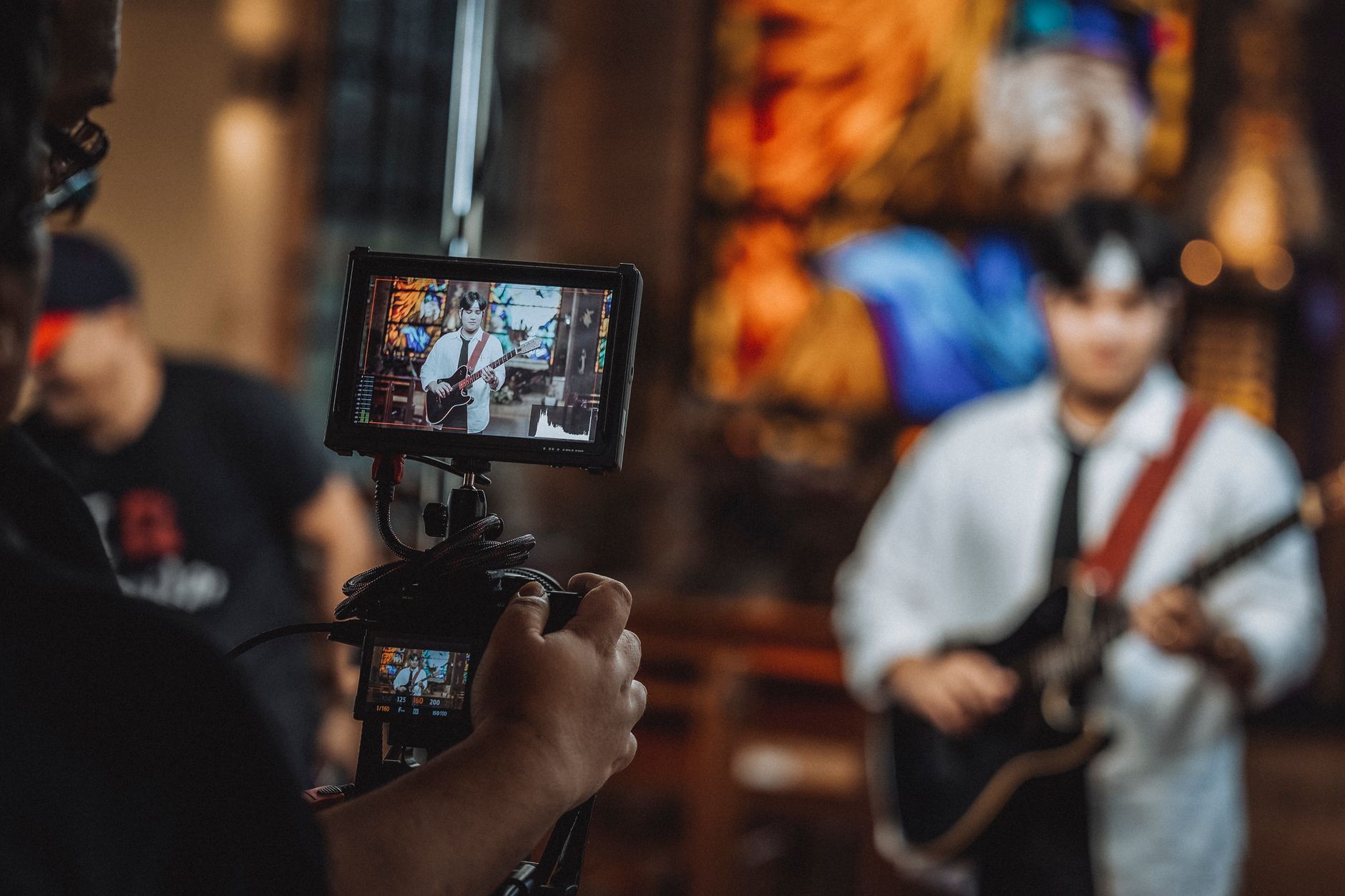
Most people who become recording artists start as performers. The craft of production — the technical decisions that shape how music actually sounds — remains invisible to them, handled by someone else in the chain. Music engineers who transition to the artist role work from the opposite direction. They start with the construction and move toward the performance.
That background changes what you prioritize and how you hear your own work. It also changes how you think about building a brand.


What Engineering Teaches About Creative Work
Engineering is fundamentally about making intentional decisions at every level of the process. EQ, compression, room, space, arrangement — none of it is neutral. Engineers learn to ask what something is supposed to do before they decide how to do it. That discipline, applied to brand-building, produces very different results than starting from aesthetic preference alone.
JRich brings exactly this orientation to MCMXXVI. As an artist, manager, and engineer simultaneously, he approaches the project with visibility across the creative, operational, and structural dimensions. The music isn't separate from the merch, which isn't separate from the live experiences — they're all elements of the same construction.
Managing Your Own Project
Independent artists who also work as managers understand the full cost of every decision: the time, the budget, the opportunity cost, the relationships. That understanding tends to produce cleaner, more purposeful creative output. When you know what everything costs, you're less likely to add elements that don't pull their weight.
MCMXXVI benefits from this clarity. The project has a defined story — the Safe Bus Company legacy, rooted in Winston-Salem's 1926 Black entrepreneurship — and every creative decision is made in service of telling that story well, not in service of following trends or filling a release calendar.
The Independent Advantage
Building independently means the story doesn't have to be approved by anyone whose primary interest is commercial viability. JRich and designer Jordan Daniels are making the project they believe in, with the artistic integrity that requires. That's the real advantage of the independent route — not lower overhead, but complete ownership of the narrative.
That ownership is, fittingly, exactly what the Safe Bus Company story is about.