Artists ask what a release costs and get two useless answers. One is nothing, just upload it. The other is a number with too many zeros meant to scare you toward a label. The truth sits in the middle and depends entirely on what you are trying to build and how much of the work you can do yourself.
At JRich Ent we fund MCMXXVI ourselves, so we track every dollar that goes into it. Here is a grounded breakdown of where the money goes on an independent project, with ranges you can plan against instead of guesses. The point is not to hit a specific number. It is to spend on purpose so every dollar buys something you own.

Recording and Production
This is where the project either earns trust or loses it. You can record at home if you know what you are doing, which keeps this near zero, or you can buy studio time and outside production to get there faster.
- Home setup, if you already engineer your own work: low cost, mostly your time.
- Studio time for a focused project: a few hundred to a few thousand dollars depending on city and hours booked.
- Outside beats or production: anywhere from lease prices in the tens of dollars to exclusive deals in the thousands.
As an engineer, I will say the cheapest real upgrade is time, not gear. Tracking a vocal well costs patience more than money. A lot of artists overspend on equipment to fix a problem that more takes and better mic placement would solve for free.
Mixing and Mastering
You can do this yourself, but if it is not your strength, this is the line item worth paying for. A clean mix is the difference between a project people respect and one they skip three seconds in. Independent mixing and mastering per song commonly ranges from low hundreds to several hundred dollars depending on the engineer's level and the project's complexity.
Budget per track, not per project, and decide early which songs carry the weight so you spend where it matters most. Not every song needs the same treatment. The lead single and the closer earn more attention and more budget than an interlude. Allocating evenly is a quiet way to waste money.
Visuals and Photography
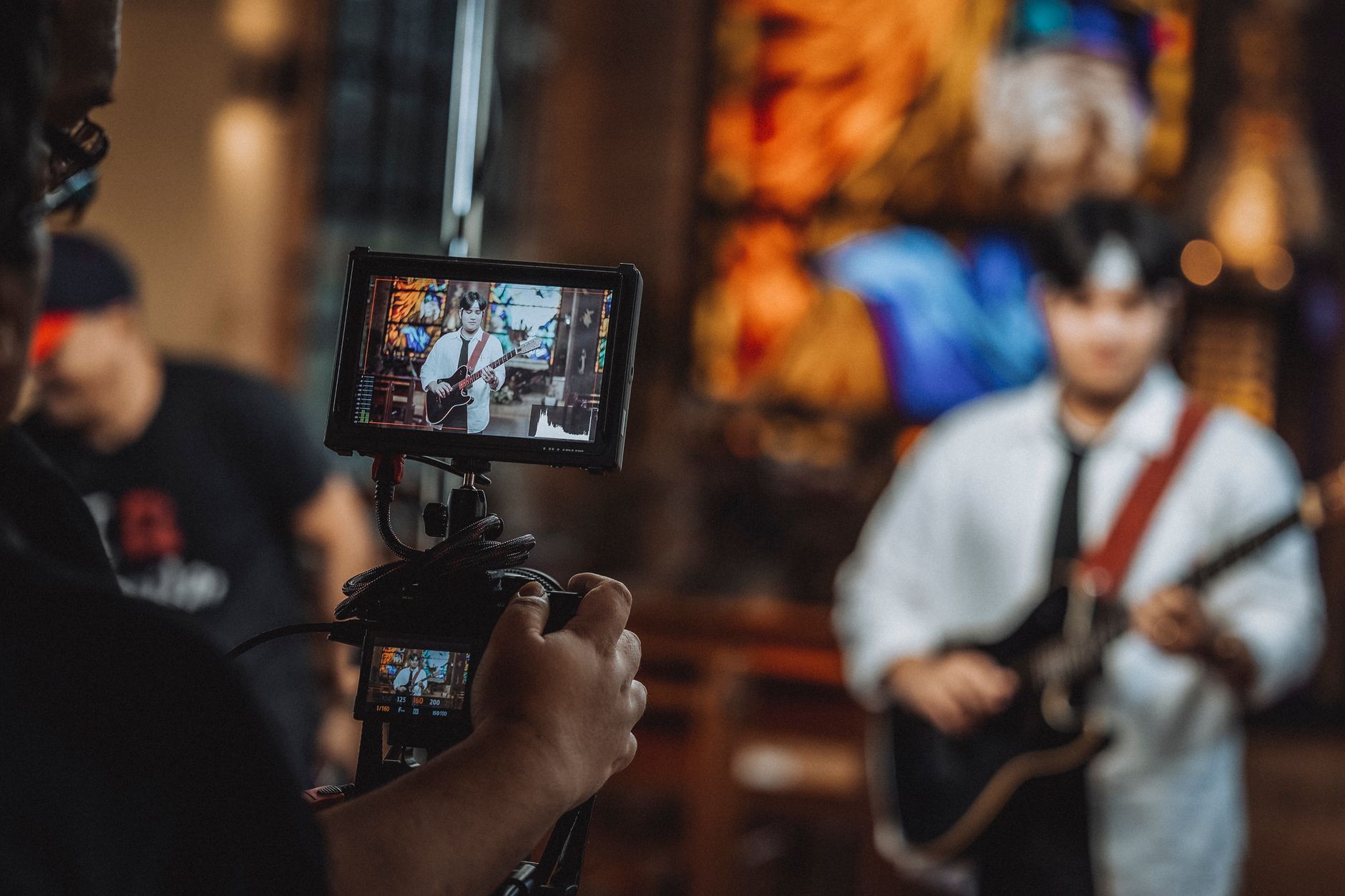
For a story-driven project, visuals are not optional. Cover art, photos, and at least one video give the work a face people remember. A capable local photographer and a designer can produce a strong cover and a photo set for a few hundred to a couple thousand dollars. A polished music video is its own budget, from a few hundred for a sharp performance piece to far more for a built-out concept shoot.
In a market like Atlanta there is deep local talent, which means you can often trade reach or split costs with creatives who want the work in their portfolio. The relationship is worth more than the single transaction, because a photographer who believes in the project will go further than one you simply hired.
Merch That Belongs to the Story
Merch is where independents make real money, but only if it is built right. Blank tees with a logo barely move and they tie up cash in inventory. On MCMXXVI we work with designer Jordan Daniels so each piece carries the story, which is what makes people buy it and keep it instead of leaving it on a table.
- A first small run of quality printed garments: a few hundred to a couple thousand dollars depending on quantity and finish.
- Print on demand to start, which trades margin for zero upfront inventory risk while you learn what sells.
- Limited runs that genuinely sell out and fund the next drop, so the merch becomes its own engine.
Treat merch as a product line, not a souvenir table. Done right it can carry the whole business while the music does the marketing.
Distribution and Promotion
Distribution itself is cheap. A flat annual fee or a small revenue share gets your music onto every platform. The real spend is attention, and attention is where budgets balloon if you are not careful. Promotion can be almost free if you are consistent on content, or it can scale endlessly with paid ads and playlist or press campaigns.
Where promo money goes
- Content creation, mostly your time and a phone, which is the highest-return work most artists underuse.
- Targeted ads, scalable from a small daily budget upward, useful once you know what converts.
- Press and playlist outreach, free if you do it yourself, paid if you hire help that has real relationships.
Be skeptical of anyone selling guaranteed placements or streams. The cheapest effective promotion is usually showing up consistently with work people want to share.
Putting It Together
A serious, owned independent release can be done lean in the low thousands if you engineer your own work and start merch small, or it can climb well beyond that as you add video, larger merch runs, and paid promotion. The number is not fixed and chasing someone else's budget is a trap. What matters is matching the spend to the project's goal and keeping ownership of everything you pay for. Money you spend on assets you own, masters, merch designs, visuals, is investment. Money you spend on things you rent is just rent. Build a release that leaves you owning more than you started with, and even a modest budget compounds into a real business.
Sources
- RIAA, recorded music revenue reports
- The Recording Academy, independent artist resources
- U.S. Small Business Administration, small business budgeting guidance
- Future of Music Coalition, artist revenue research