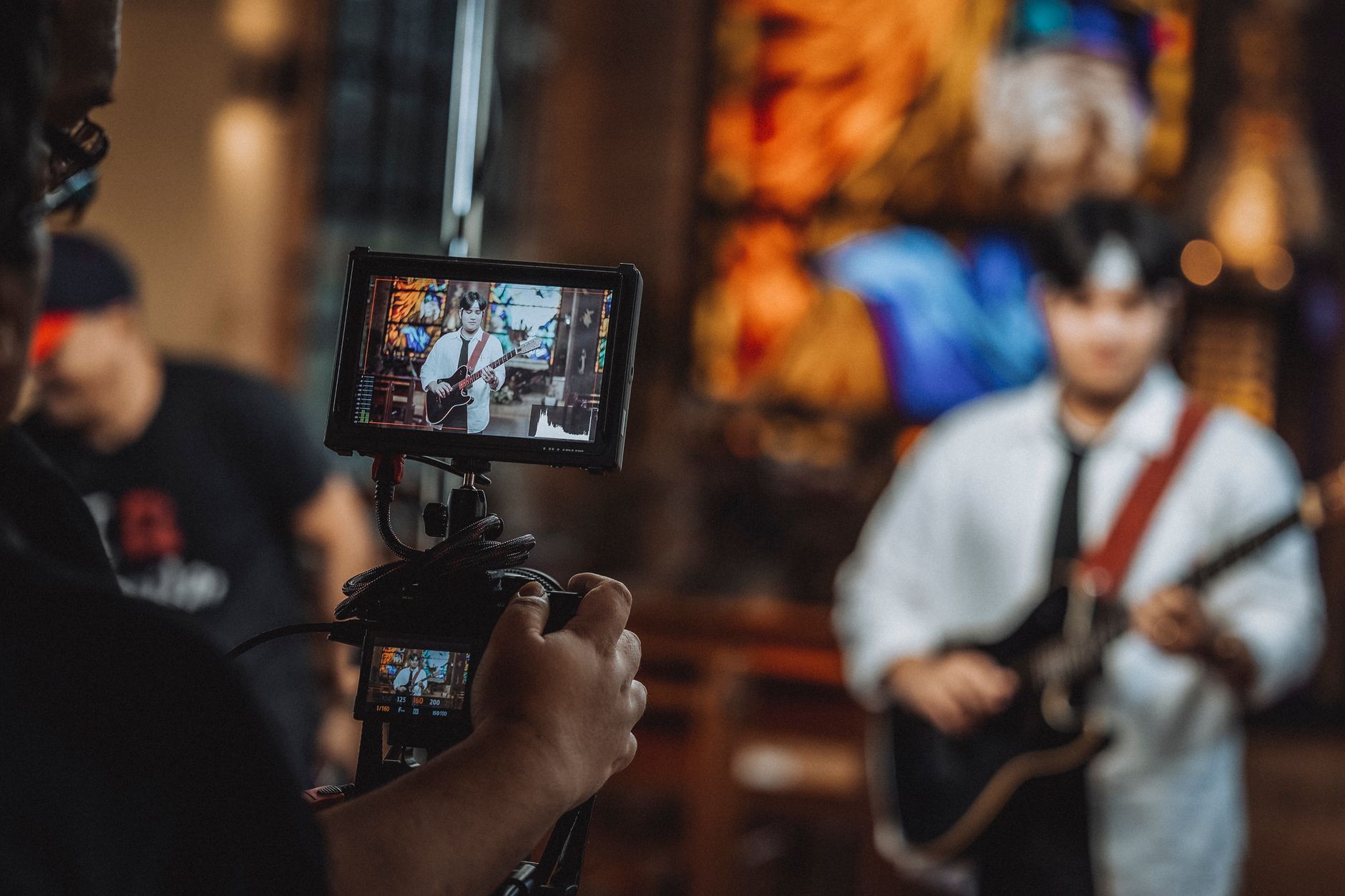
Plenty of cities have a music scene. Atlanta has an ecosystem. The studios, the designers, the videographers, the venues, and the audiences are all close enough to build something complete without ever leaving town. For an independent artist running a story-driven project, that density is not a nice-to-have. It is leverage you can spend.
JRich Ent works out of Atlanta while building MCMXXVI, a project rooted in the Safe Bus Company's legacy of Black ownership and self-determination. The city shaped how we build, what we expect from collaborators, and how we think about a release. Here is how to treat Atlanta as part of your toolkit instead of just a return address on your bookings.

The Talent Is Local, So Use It
The most expensive way to make a project is to import everyone. In Atlanta you usually do not have to. Engineers, beatmakers, photographers, and stylists are everywhere, and a real share of them are independent creatives hungry for strong work to put on their reels. That overlap of skill and ambition is rare, and it is the city's biggest gift to a small budget.
- Build a small bench of local collaborators you trust and pay fairly.
- Trade reach and credit where budgets are tight, but be straight about the terms.
- Keep the money in your circle so the next project is easier to fund and the relationships deepen.
The artists who get the most out of Atlanta are not the ones with the biggest budgets. They are the ones who built the best local relationships and kept them.
The City Has a Memory, and That Is Material
Atlanta hip-hop carries decades of self-built success stories, much of it driven by independence and ownership rather than waiting for permission. That history is not just background noise. It is permission. When you build a project about people who made their own way, the city already understands the assignment because it has watched that story play out for years.
For MCMXXVI, the throughline from the Safe Bus Company to a modern independent project reads clearly here because Atlanta audiences respect the build-your-own ethos in their bones. You are not explaining a foreign idea. You are speaking a language the city already fluently understands.
Venues Reward Artists Who Bring an Experience
Atlanta crowds have seen everyone. A standard set does not stand out and a packed calendar of acts means nobody is owed a slot. What does stand out is a show that feels designed, with a visual world, a clear arc, and something for people to take home. Smaller rooms and listening spaces across the city are open to artists who treat a show like a built experience rather than a slot to fill on a flyer.
How to earn a strong room
- Bring a real draw, even a small loyal one, before you ask for a prime date.
- Show the venue a concept, not just a name and a genre tag.
- Tie merch and visuals to the night so the show pays for itself and the venue wants you back.
The Industry Is Reachable Without Being Beholden
Labels, managers, platforms, and established artists all have real presence in Atlanta, which means access without forcing a deal. You can be in rooms with people who matter while staying fully independent. That is the ideal position, leverage without obligation. You get to learn, network, and be seen without trading away ownership to do it.
Build something undeniable in the city, and the conversations come to you on better terms. Access you earned by building beats access you begged for every time, because one comes from a position of strength and the other from need.
Community Is the Real Distribution Channel
The strongest promotion in Atlanta is word of mouth inside tight creative communities. Designers tag artists, artists tag photographers, and a single well-built drop ripples through overlapping circles fast. That is why building relationships matters more than buying reach early on, especially before you have a budget to waste.
The Safe Bus Company itself was a network as much as a business, neighbors backing neighbors because no one else would. The same logic moves a project in Atlanta today. The people in your circle are not just collaborators, they are your first distribution channel, and they will carry the work further than any ad if you give them something worth carrying.
Treat the City Like a Co-Producer
The practical takeaway is simple. Map what Atlanta already offers you, the people, the rooms, the history, the audience, and design your project to use all of it instead of working around it. The artists who break out of here rarely do it alone and almost never do it by ignoring the city's strengths. They use Atlanta as a co-producer and give back to it in return, hiring local, crediting collaborators, and showing up for other people's projects. Build with the city, not just in it, and the city builds with you.
Sources
- Smithsonian National Museum of African American History and Culture, hip-hop and cultural archives
- Atlanta History Center, resources on the city's cultural and music history
- The Recording Academy, regional and independent artist resources
- Library of Congress, music documentation and oral history collections